William Pitt the Elder

Definition and stakes

Portrait of J. Holland Rose J. Holland Rose,  William Pitt and national revival (1911)

“ If the elder Pitt raised England to heights of splendour never reached before, the younger helped to retrieve the disasters brought on by those who blindly disregarded the warnings of his father. In the personality both of father and of son there was a stateliness that overawed ordinary mortals, but the younger man certainly came more closely into touch with the progressive tendencies of the age. A student of Adam Smith, he set himself to foster the industrial energies of the land. ”
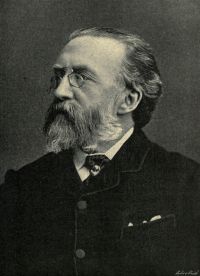
Source: Gutenberg

Portrait of J. Holland Rose J. Holland Rose,  William Pitt and the Great War

“ Apart from these obvious limitations in Pitt's nature, there was a wealth of noble qualities, which ensured life-long devotion from those who penetrated the protective crust and came to [Pg 457] know, not the statesman, but the man. In him the qualities that command respect and excite affection were happily balanced. To a manly courage which never quailed in the hour of disaster, and a good sense that provided sage counsels alike in private and public affairs, he added the tenderer gifts. ”
Source: Gutenberg

Portrait of J. Holland Rose J. Holland Rose,  William Pitt and national revival (1911)

“ William Pitt, Earl of Chatham, died in 1778. His second son, named after him, began his political career at the close of the year 1780, when he was elected Member of Parliament for Appleby. The decade which then began marks a turning point in British history. Then for the first time the old self-contained life was shaken to its depths by forces of unsuspected power. Democracy, Athene-like, sprang to maturity in the New World, and threatened the stability of thrones in the Old World. ”
Source: Gutenberg

Get perspective with Kwize: daily news enlightened by great literature