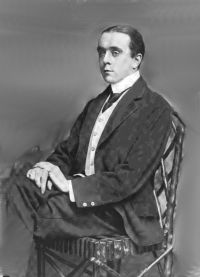
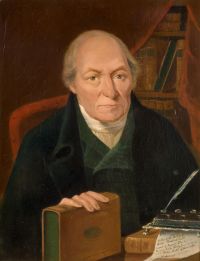
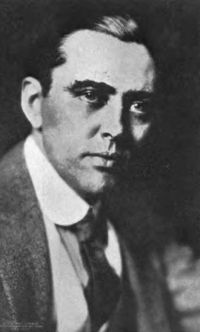
Wimpole Street, a historic thoroughfare in London’s Westminster, is renowned for its links to medical institutions and notable residents. From the Royal Society of Medicine at No. 1 to the British Dental Association at No. 64, the street reflects a legacy of medical advancement. Its literary significance is equally deep, as seen in Dorothy M. Richardson’s reflections on its "unreal" social dynamics and Emily Constance Baird Cook’s depiction of Elizabeth Barrett Browning’s romantic retreat from No.
50. Writers such as Richardson and William Sharp highlight its dual nature—as a place of professional solitude and emotional connection—while Virginia Woolf’s portrayal in Flush elevates it to a symbol of cultural resilience. This blend of medical function and human story solidifies Wimpole Street’s distinctive position in London’s urban and literary landscape.