Summary

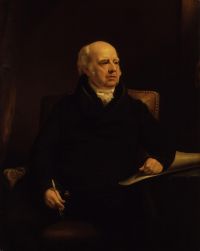
Portrait of William Sharp William Sharp Life of Robert Browning

The world has all that need be known. To Browning himself it was the abrupt, the too deeply pathetic, yet not wholly unhappy ending of a lovelier poem than any he or another should ever write, the poem of their married life.
There is a rare serenity in the thought of death when it is known to be the gate of life. This conviction Browning had, and so his grief was rather that of one whose joy has westered earlier. The sweetest music of his life had withdrawn: but there was still music for one to whom life in itself was a happiness.
Source: Gutenberg

Portrait of William Sharp William Sharp Life of Robert Browning

The moment individuality can lapse to fusion, that moment the tide has ebbed, the wind has fallen, the dream has been dreamed. So long as the soul remains inviolate amid all shock of time and change, so long is it immortal. No man, no poet assuredly, could love as Browning loved, and fail to be aware, often with vague anger and bitterness, no doubt, of this insuperable isolation even when spirit seemed to leap to spirit, in the touch of a kiss, in the evanishing sigh of some one or other exquisite moment.
Source: Gutenberg

Portrait of William Sharp William Sharp Life of Robert Browning

In fiction, in poetry, in so much of both, French as well as English, and, I am told, in American art and literature, the shadow of death — call it what you will, despair, negation, indifference — is upon us. But what fools who talk thus! Why, `amico mio', you know as well as I that death is life, just as our daily, our momentarily dying body is none the less alive and ever recruiting new forces of existence. Without death, which is our crapelike churchyardy word for change, for growth, there could be no prolongation of that which we call life.
Source: Gutenberg

Get perspective with Kwize: daily news enlightened by great literature