Yakima Valley

Definition and stakes

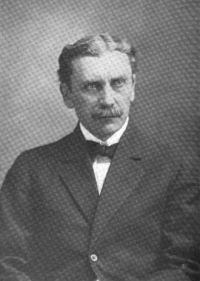
Portrait of Harlan Ingersoll Smith Harlan Ingersoll Smith,  The Archaeology of the Yakima Valley

“ North Yakima is on the western side of the Yakima River, about two miles below the mouth of the Naches, which empties into the Yakima from the west, immediately below where the latter breaks through Yakima Ridge. This break is called the Gap or the Upper Gap. North Yakima is at an altitude of 1067 feet above the sea level. The soil of the valley is made up of a rich volcanic ash and the region is arid and practically treeless except on the banks of the rivers and creeks or where irrigation has been successfully practised. ”
Source: Gutenberg

Ada Woodruff Anderson,  The Rim of the Desert

“ The bays began to round a curve and presently Rainier, the lesser heights, all the valley of Kittitas, closed from sight. They had reached the timber belt; poplars threaded the parks of pine, and young growths of fir, like the stiff groves of a toy village, gathered hold on the sharp mountain slopes. Sometimes the voice of a creek, hurrying down the canyon to join the Yakima, broke the stillness, or a desert wind found its way in and went wailing up the water-course. And sometimes in a rocky place, the hoof-beats of the horses, the noise of the wheels, struck an echo from spur to spur. ”
Source: Gutenberg

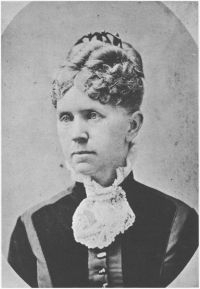
Portrait of Frances Fuller Victor Frances Fuller Victor,  All Over Oregon and Washington (1872)

“ The Yakima Valley is the original home of the Indian tribe of that name, most of whom are now gathered on a reservation at Fort Simcoe, and, under faithful instruction, making some advance toward civilization. The number of settlers in the whole valley is about seven hundred, the most of whom are engaged in stock-raising. A direct trade with Puget Sound is carried on, to some extent, through the Snoqualmie Pass, as well as with Oregon, by wagons, to the Columbia River. ”
Source: Wikisource

Get perspective with Kwize: daily news enlightened by great literature