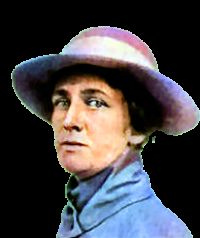
Yakub Khan

Definition and stakes

1911 Encyclopædia Britannica, Volume 28… (1911)

“ He showed great ability at an early age, and was made governor of Herat by his father, but broke into open rebellion against him in 1870, and was imprisoned in 1874 in Kabul. However, when Shere Ali in 1878 fled before the British, he handed over the government to Yakub, who, on his father's death in the following February, was proclaimed amir, and signed a treaty of peace with the British at Gandamak. He agreed to receive a British resident, and was in turn to receive a subsidy and support against foreign attack. ”
Source: Wikisource

Howard Hensman,  The Afghan War of 1879-80

“ One cannot always guard a man against his own stupidity. Having, then, to keep Yakub Khan with us, we had to do as best we could in gaining means of judging what were his relations with the men who stood forth as leaders of the rebel army, and how far he had sympathized with their plans. In endeavouring to trace out the palace intrigues which Nek Mahomed, Kushdil Khan, and others had set on foot, the Commission had often to rely upon men themselves tainted with suspicion ”
Source: Gutenberg

Earl Frederick Sleigh Roberts Roberts,  Forty-one years in India: from subaltern to commander-in-chief

“ In one of my last conversations with Yakub Khan, he advised me 'not to lose sight of Herat and Turkestan.' On my asking him whether he had any reason to suppose that his representatives in those places meant to give trouble, he replied: 'I cannot say what they may do; but, remember, I have warned you.' He, no doubt, knew more than he told me, and I think it quite possible that he had some inkling of his brother's4 (Ayub Khan's) intentions, in regard to Kandahar, and he probably foresaw that Abdur Rahman Khan would appear on the scene from the direction of Turkestan. ”
Source: Gutenberg

Get perspective with Kwize: daily news enlightened by great literature