Abaca

Definition and stakes

Burtis McGie Little,  Francisco the Filipino

“ CHAPTER IV ABACA
“Manila hemp,” as it is so commonly called, is not really hemp at all, but a plant closely related to the banana and so strongly resembling it that some persons are unable to tell the difference. The correct name for this is abaca (ä′-bä-cä) , and it is probably the most important crop produced in the Philippine Islands. Nowhere else in the world does it grow so well, and in southern Luzon where Francisco lived, the soil is especially well suited for its cultivation.
”
Source: Gutenberg

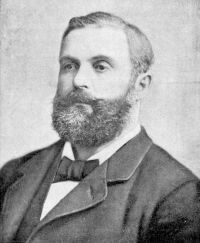
Portrait of Thomas Wallace Knox Thomas Wallace Knox,  The Boy Travellers in the Far East…

“ The Doctor told them that the material which she was weaving was abaca, or vegetable silk; and, while they were examining the loom, he explained how the fibre was grown and prepared.
"The abaca," he said, "is grown on the mountain slopes, and thrives best in a volcanic soil. It belongs to the banana family, and produces an abundance of seed; but the seed is not used for planting, owing to the long time required for it to grow up to be useful. The plants are propagated from cuttings taken from the base of the old trunk and set in the earth, where they soon take root and begin to grow.
”
Source: Gutenberg

Paul T. Gilbert,  The Great White Tribe in Filipinia

“ A leaf-green lizard creeps down on a horizontal trunk. The broad leaves of abacá rustle in the breeze; the graceful stalks of bamboo crackle like tin tubes. Around the bend the water ripples at the ford. At evening you will see the tired men from the mountains, bending under heavy loads of hemp, wade through the shallows to the cavern shelter of the banyan-tree. Through the dense mango-grove comes the faint sound of bells. The puk-puk bird hoots from the jungle, and the black crows settle in the lofty trees. ”
Source: Gutenberg

Get perspective with Kwize: daily news enlightened by great literature