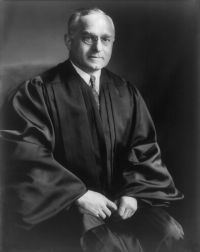
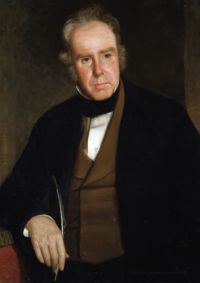
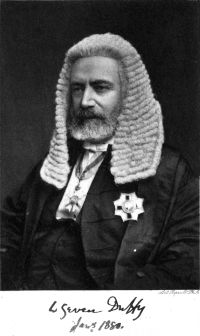
Arraignment, a formal legal procedure, marks the stage where a defendant appears before a court, faces charges, and must enter a plea of guilty or not guilty. This concept, central to judicial processes, has been analyzed by legal scholars and jurists, who emphasize its procedural and symbolic importance. John Marshall Harlan highlighted its historical role in capital offenses, while William O.
Douglas contrasted its position as either the initial phase of a trial or a formal prelude. Felix Frankfurter stressed its relationship to constitutional rights, and William Carey Crane connected it to the limits of public record-keeping. Across legal writings and literary portrayals, arraignment appears as a crucial moment where the formalities of justice meet individual rights.