Bank reserve

Definition and stakes

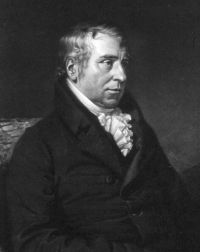
Portrait of Walter Bagehot Walter Bagehot,  Lombard Street: A Description of the Money Market

“ The strain thrown by a panic on the final bank reserve is proportional to the magnitude of a country's commerce, and to the number and size of the dependent banks—banks, that is, holding no cash reserve—that are grouped around the central bank or banks. And in both respects our system causes a stupendous strain. The magnitude of our commerce, and the number and magnitude of the banks which depend on the Bank of England, are undeniable. There are very many more persons under great liabilities than there are, or ever were, anywhere else. ”

Source: Gutenberg

Chester Arthur Phillips,  Readings in Money and Banking

“ In the management of its reserve the bank itself necessarily feels a strong conflict of interests. On the one hand, it is impelled to increase its securities as far as possible, for it is from them that it derives its profits, and the retention of a large amount of idle cash is felt as a loss. On the other hand, the maintenance of a reserve sufficient, not only to enable the bank to continue its payments but to inspire the public with confidence in its ability to continue them, is a necessity of its existence, even though a part of its resources do thus appear to be kept permanently idle. ”
Source: Gutenberg

Chester Arthur Phillips,  Readings in Money and Banking

“ In opposition to what might be at first sight supposed, the best way for the bank or banks who have the custody of the bank reserve to deal with a drain arising from internal discredit, is to lend freely. The first instinct of every one is the contrary. There being a large demand on a fund which you want to preserve, the most obvious way to preserve it is to hoard it—to get in as much as you can, and to let nothing go out which you can help. ”
Source: Gutenberg

Get perspective with Kwize: daily news enlightened by great literature