Bark (boat)

Definition and stakes

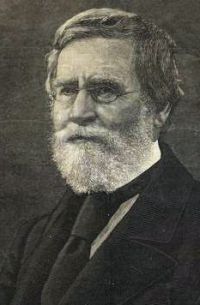
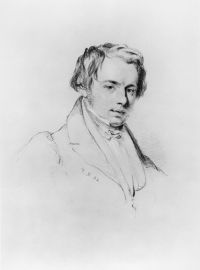
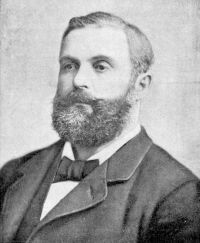
Portrait of Mayne Reid Mayne Reid,  The Young Voyageurs: Boy Hunters in the North

“ Two lengths of the bark also reached cleverly from stem to stern, and thus required only one transverse seam on each side. There was an advantage in this arrangement, for where the birch-bark can only be obtained in small flakes, a great number of seams is a necessary consequence, and then it is extremely difficult to keep the canoe from leaking. Thanks to the fine birch-trees, that grew in abundance around, our boat-builders had procured the very best bark. ”
Source: Gutenberg

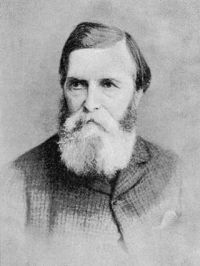
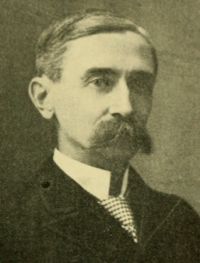
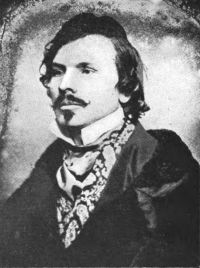
Portrait of Daniel Carter Beard Daniel Carter Beard,  Boat-Building and Boating

“ The top strip is next nailed on to the frame. Almost always a piece of bark, a foot or more long, and nine or ten inches wide, is bent and slipped under, between both top and side strips and the bark. The ends of this piece hang down about three inches below the side strips. The loose ends of the strips are bound together, as in diagram, and the projecting tips of both strips and bow-piece are trimmed off close.
Next the canoe is turned upside down. If winter bark has been used, the surface is moistened and the roughness scraped off with a knife.
”
Source: Gutenberg

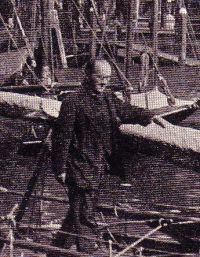
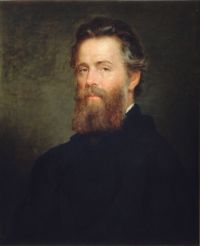
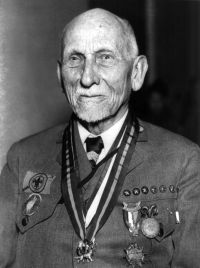
George Byron Merrick,  Old Times on the Upper Mississippi

“ Some boys, more fortunate than others, were from time to time possessed of birch-bark canoes—small ones. Of all the craft that ever floated, the birch-bark comes nearer being the ideal boat than any other. So light is it, that it may be carried on the head and shoulders for miles without great fatigue; and 24 it sits on the water like a whiff of foam—a veritable fairy craft. It was the custom of the boys who owned these little "birches" to shove them off the sand with a run, and when they were clear of the land to jump over the end, and standing erect, paddle away like the wind. ”
Source: Gutenberg

Get perspective with Kwize: daily news enlightened by great literature