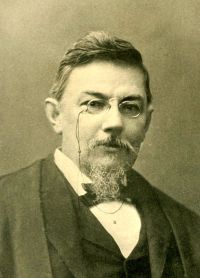
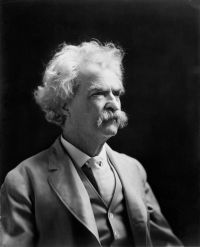
The concept of "strip" primarily refers to a stock options trading strategy, yet its thematic resonance extends beyond finance, as explored by various authors. Gilbert Seldes examines the enduring presence of strips in art and media, while Helen Churchill Candee reflects on their symbolic role in defining creative boundaries. Hugo B. Froehlich and J. G.
Wood describe strips in practical contexts, such as weaving and craftsmanship, highlighting their functional and aesthetic adaptability. Meanwhile, literary references, like Filson Young’s depiction of an empty urban strip, underscore its metaphorical implications. The theme thus bridges material and abstract dimensions, revealing a duality that spans technical practice and artistic imagination.
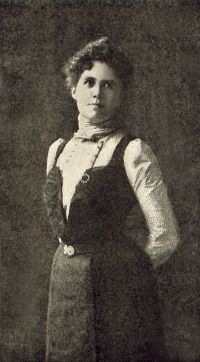 Helen Churchill Candee,
The Tapestry Book
Helen Churchill Candee,
The Tapestry Book