Beech tree

Definition and stakes

C. E. Smith,  Trees, Shown to the Children (1908)

“ You can then see very distinctly the veins which run from the centre to the edge of every leaf. These leaves grow so thickly that no stems or branches can be seen when the tree is in full foliage; and they are beautiful at all seasons. When autumn comes, bringing cold winds and a touch of frost, then the Beech tree leaves change colour: they seem to give us back again all the sunshine they have been storing up during summer, for they blaze like the sunset sky in myriad shades of gold, and red, and orange. ”
Source: Gutenberg

Henry Williamson,  The Lone Swallows (1922)

“ The beech tree is indeed the aristocrat of the forest, for it is superb at the fall. No leaves possess such a rich colour or have the appearance of majesty and preserved form. The elm leaves are drab and lifeless, the oak leaves blotched and frayed; from the horse chestnut the big green splayed leaves are either withered and rusted or drop when seemingly full of sap. The elderberry and the ash loosen their sprays at the first singe of autumn’s fire. ”
Source: Gutenberg

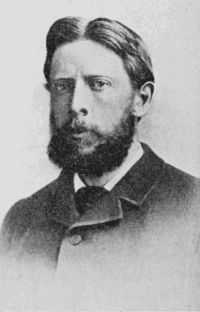
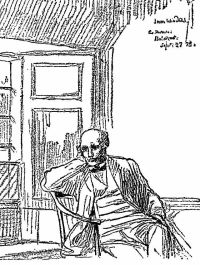
Portrait of John R. Wise John R. Wise,  The New Forest: Its History and Its Scenery

“ The finest beech-wood is that of Mark Ash. There you may see true beech-forms, the boles spangled with silver scales of lichen, and the roots—more fangs than roots—grasping the earth, feathered with the soft green down of moss.
But not in individual trees lies the beauty of the Forest, but in the masses of wood. There, in the long aisles, settles that depth of shade which no pencil can give, and that colouring which no canvas can retain, as the sunlight pierces through the green web of leaves, flinging, as it sets, a crown of gold round each tree-trunk.
”
Source: Gutenberg

Get perspective with Kwize: daily news enlightened by great literature