Brown people

Definition and stakes

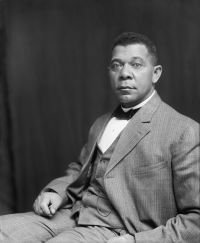
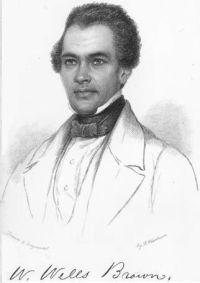
Portrait of William Wells Brown William Wells Brown,  My Southern Home: Or, the South and Its People

“ Where there is no law against the mixture of the two races, there is a public sentiment which is often stronger than law itself. Even the wild blood of the red Indian refuses to mingle with the sluggish blood of the negro. This is no light matter, for race hate, prejudice and common malice all die away before the melting power of amalgamation. The beauty of the half-breeds of the South, the result of the crime of slavery, have long claimed the attention of writers, and why not a lawful mixture? ”
Source: Gutenberg

Portrait of William Wells Brown William Wells Brown,  Three Years in Europe: Places I Have Seen and People I Have Met

“ The prejudice which I have experienced on all and every occasion in the United States, and to some extent on board the Canada, vanished as soon as I set foot on the soil of Britain. In America I had been bought and sold as a slave, in the Southern States. In the so-called free States, I had been treated as one born to occupy an inferior position,—in steamers, compelled to take my fare on the deck; in hotels, to take my meals in the kitchen; in coaches, to ride on the outside; in railways, to ride in the "negro car;" and in churches, to sit in the "negro pew." ”
Source: Gutenberg

Sterling A. Brown,  The Negro in American fiction (1938)

“ As we go to the Russians, the Scandinavians, and the French for the truth about their people; as we go to the workers and not to the stockholders, to the tenants and croppers and not to the landlords, for the truth about the lives of tenants and croppers, so it seems that we should expect the truth of Negro life from Negroes. The Negro artist has a fine task ahead of him to render this truth in enduring fiction. ”
Source: Gutenberg

Get perspective with Kwize: daily news enlightened by great literature