Bullock cart

Definition and stakes

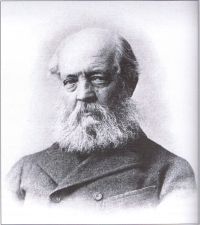
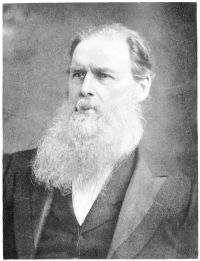
Portrait of Edward Burnett Tylor Edward Burnett Tylor,  Popular Science Monthly (1881)

“ From old times it was common to make wooden rings, sockets, or bearings underneath the cart for the axle to turn in, much as children's toy-carts are made, as has often been remarked. But a drawing of a modern bullock-cart, taken near Lisbon, represents only a pair of pieces of wood acting as stops, so that the body of the cart can be lifted off its wheels. In looking at these clumsy vehicles, we certainly seem to have primitive forms before us. ”
Source: Wikisource

R. Talbot Kelly,  Peeps at Many Lands: Burma

“ In the streets the life of the people is only a slight amplification of that of the villages, the shops with their attendant customers marking the principal difference, while in bullock-carts of more ornamental design than those of the villages, the families of the well-to-do enjoy their outing.
Though always two-wheeled and drawn by a pair of oxen, there is a certain amount of variety in the native carts. The wheels are generally large, and are placed very wide apart, in order to lessen the risk of capsizing in the terribly rough roads they often have to travel.
”
Source: Gutenberg

Get perspective with Kwize: daily news enlightened by great literature