Burrowing owl

Definition and stakes

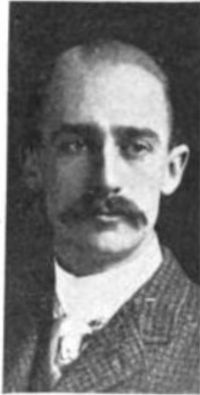
Portrait of Louis Figuier Louis Figuier,  Reptiles and Birds

“ The Burrowing Owl derives its name from the place in which it makes its nest. This bird is about the size of a Pigeon, and frequents the immense plains, or pampas, of South America, and the prairies of North America. The burrows, however, it does not dig itself, but simply takes possession of those belonging to other animals, after having driven them away by its disgusting odour. This mode of conquering a territory, although of a peaceful character, is, to say the least of it, singular.
Burrowing Owls do not confine themselves to going out in the evening and morning.
”
Source: Gutenberg

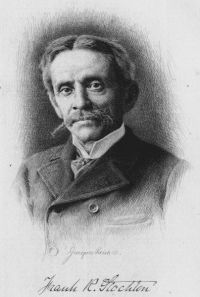
Mary Austin,  The Land of Little Rain

“ Late afternoons the burrowing owls may be seen blinking at the doors of their hummocks with perhaps four or five elfish nestlings arow, and by twilight begin a soft whoo-oo-ing, rounder, sweeter, more incessant in mating time. It is not possible to disassociate the call of the burrowing owl from the late slant light of the mesa. If the fine vibrations which are the golden-violet glow of spring twilights were to tremble into sound, it would be just that mellow double note breaking along the blossom-tops. ”
Source: Gutenberg

Samuel Lockwood,  Popular Science Monthly (1877)

“ The American burrowing owl is essentially a prairie-bird. It occupies, no doubt of choice, the deserted burrows of the Cynomys Ludovicianus (Baird) . But if alarmed, as it would be by the presence of man, it would betake itself to the nearest hole for a refuge. In other lands the burrowing owl has no prairie-dogs to take advantage of, and in these places the owls burrow for themselves. They are diurnal prowlers feeding chiefly on grasshoppers, crickets, and field-mice, and not improbably an occasional prairie-dog puppy. One species lives entirely ”
Source: Wikisource

Get perspective with Kwize: daily news enlightened by great literature