Chariot racing

Definition and stakes

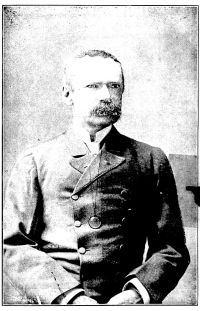
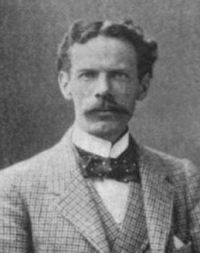
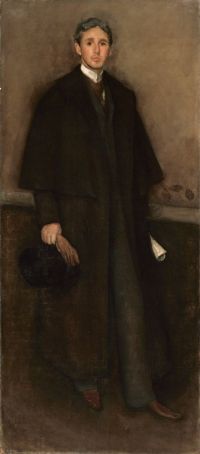
Portrait of Arthur Jerome Eddy Arthur Jerome Eddy,  Two Thousand Miles on an Automobile

“ Since the days of Roman chariot racing the records of man describe nothing that parallels automobile racing, and, so far as we have any knowledge, chariot racing, save for the plaudits of vast throngs of spectators, was tame and uneventful compared with the frightful pace of sixty and eighty miles an hour in a throbbing, bounding, careering road locomotive, over roads practically unknown, passing persons, teams, vehicles, cattle, obstacles, and obstructions of all kinds, with a thousand hair-breadth escapes from wreck and destruction. ”
Source: Gutenberg

E. Norman Gardiner,  Greek Athletic Sports and Festivals

“ Chariot-racing was, of course, merely a fashionable amusement, and except so far as it encouraged horse-breeding, of no service for war. Poorer states could not compete in it at all unless, like Argos, they entered public chariots or horses. [173] But the chariot-race was a great attraction to the spectators, and its growing popularity is evidenced by the introduction of two new races at Olympia and at Delphi. ”
Source: Gutenberg

Portrait of Basil Tozer Basil Tozer,  The Horse in History

“ That horse racing of a sort can be traced back to a very remote period has already been indicated, but, as we have also seen, almost the only kind of racing in which the Romans took keen interest was chariot racing, so there is reason to believe that some of the early allusions to chariot races may unwittingly have been confused with horse races by some of our later historians. ”
Source: Gutenberg

Get perspective with Kwize: daily news enlightened by great literature