Chestnut tree

Definition and stakes

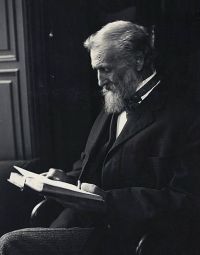
Portrait of Henry Ward Beecher Henry Ward Beecher,  Pleasant Talk About Fruits, Flowers and Farming

“ Nature was in a good mood when the chestnut-tree came forth. It is, when well grown, a stately tree, wide-spreading, and of great size. Even in the forest the chestnut is a noble tree. But one never sees its full development except when it has grown in the open fields. It then assumes immense proportions. Having a tendency when cut down to send up many shoots from the stump, old trees are often found with four or five trunks springing from the same root. In such cases, no other American tree covers so wide a space of ground. Not even the oak attains to greater size or longevity. ”
Source: Gutenberg

Northern Nut Growers Association Report of the Proceedings at the Thirty-Seventh Annual Report

“ I think the greatest tragedy that ever befell American horticulture was the chestnut blight. Not so long ago every hill and mountain-side east of the Mississippi River, from near the Gulf of Mexico to the Canadian border was covered with native chestnut trees producing millions of pounds of food for man and beast. Today all has been devastated by this terrible blight and nothing remains save leafless trunks, like tombstones, in memory of a grand food tree. ”
Source: Gutenberg

Northern Nut Growers Association Incorporated 39th Annual Report

“ A wrap of newspaper tied loosely around the trunk of the young tree will aid in preventing winter injury and sun-scald.
Under conditions of little or no care the seedling chestnut tree will generally develop several trunks as a result of the forcing of multiple sprouts from near the ground line. The tree should be trained to one trunk, as such a form seems to be less susceptible to winter injury while young and makes a much more desirable orchard tree when older.
”
Source: Gutenberg

Get perspective with Kwize: daily news enlightened by great literature