“ Circulation of the Blood.—Nothing is more important for the health or healing of any organ or part of the body than a good supply of arterial blood. Venous blood, collected by the veins after it has done its work all over the body, or blood stagnating in congested organs, is useless for growth and healing. To promote a vigorous circulation of blood in any part we wish to cure is, then, of great importance ”
Circulation of blood
Definition and stakes
The theme of “circulation of blood” has been addressed by authors such as William Harvey, John Green Curtis, Ryan White, Xavier Bichat and Philip Henry Pye-Smith. It is often associated with terms like heart, artery, vein, lung and capillary.
Quotes about “circulation of blood”
Chas. A. Tyrrell, The Royal Road to Health; Or, the Secret of Health Without Drugs
“ We have in our bodies a system of canals called arteries and veins, having their head at the heart, which is the main pump that keeps the blood in motion. The arterial circulation consists of those channels which convey the blood—supposed pure blood—away from the heart to the different parts of the body, loaded with the life-giving principle of sustenance, invigoration and heat, while the veins or venous circulation conveys to the heart and lungs the impure blood, loaded many times with disease-breeding germs. ”
 Benjamin Rush,
Medical Inquiries and Observations…
Benjamin Rush,
Medical Inquiries and Observations…
“ That much more blood may be taken when the blood-vessels are in a state of morbid excitement and excitability, than at any other time. One of the uses of the blood is to stimulate the blood-vessels, and thereby to assist in originating and preserving animal life. In a healthy state of the vessels, the whole mass of the blood is necessary for this purpose; but in their state of morbid excitability, a much less quantity of blood than what is natural (perhaps in some cases four or five pounds) are sufficient to keep up an equal and vigorous circulation. ”

Related terms
Authors who wrote about “circulation of blood”
William HarveyJohn Green CurtisRyan White Xavier Bichat
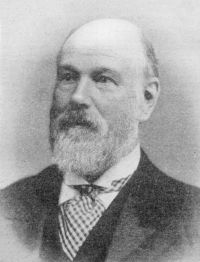 Philip Henry Pye-Smith
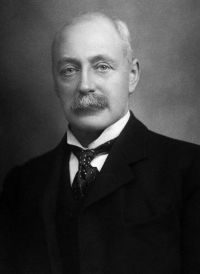 Sir D'Arcy PowerFrederick Gymer Parsons, John Gray McKendrick…H. Clay TrumbullSir M. FosterFrancis M. Walters
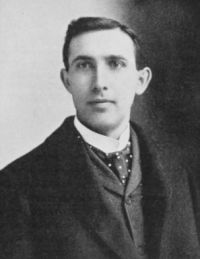 Alvin DavisonFrank OvertonGeorge W. HunterJoseph C. Hutchison
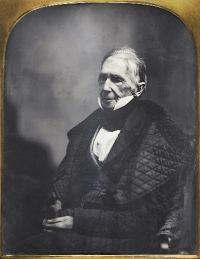 John Collins WarrenJames TytlerCalvin CutterChas. A. Tyrrell
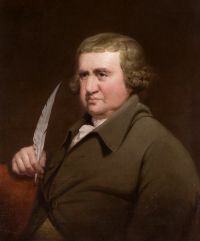 Erasmus DarwinVarious
Xavier BichatPhilip Henry Pye-SmithSir D'Arcy PowerFrederick Gymer Parsons, John Gray McKendrick…H. Clay TrumbullSir M. FosterFrancis M. WaltersAlvin DavisonFrank OvertonGeorge W. HunterJoseph C. HutchisonJohn Collins WarrenJames TytlerCalvin CutterChas. A. TyrrellErasmus DarwinVarious