Colostrum

Definition and stakes

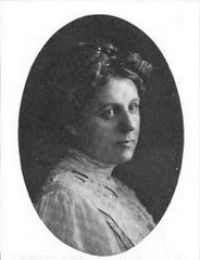
Portrait of Carolyn Conant Van Blarcom Carolyn Conant Van Blarcom,  Obstetrical Nursing

“ This fluid, called colostrum, consists largely of fat, epithelial cells and colostrum corpuscles and differs from milk, in its yellowish color, and in the fact that it coagulates like the white of an egg when boiled. The previously quiescent mammary glands develop very early in pregnancy an ability to select from the blood stream the necessary materials to produce a secretion. Colostrum is the product of their activity until about the third day after delivery, when milk appears. ”
Source: Gutenberg

Portrait of J. Morris Slemons J. Morris Slemons,  The Prospective Mother, a Handbook for Women During Pregnancy

“ The most significant alteration, however, occurs in the cells which line the glands; these increase in size at first; and then, by a process of cell division, their number multiplies. After pregnancy has advanced six to eight weeks these cells begin to elaborate the thin, watery fluid called colostrum. Contrary to popular belief, the quantity of colostrum is not prophetic of the character of the milk; there is no ill-omen, to be sure, in a plentiful secretion, but a meager one is quite as likely to be followed by successful lactation. ”
Source: Gutenberg

Portrait of J. Morris Slemons J. Morris Slemons,  The Prospective Mother, a Handbook for Women During Pregnancy

“ Furthermore, as a sign of pregnancy the presence of colostrum is totally deprived of value in the case of a woman who has recently nursed an infant, for a small quantity of milk or colostrum often remains in the breasts for months after the infant is weaned. In general, however, women who have not been pregnant before should assume that they have conceived if, after missing a menstrual period, they note the characteristic changes in the breasts. ”
Source: Gutenberg

Get perspective with Kwize: daily news enlightened by great literature