Conscience clause

Definition and stakes

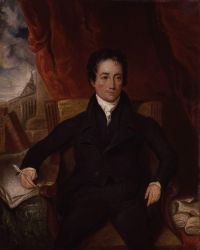
Portrait of Thomas Hill Green Thomas Hill Green,  Four Lectures on the English Revolution

“ In the conscience of man, the process had three principal stages, called by Vane the natural, legal, and evangelical conscience. The natural conscience was the light of those who, having not the law, were by nature a law unto themselves. It was the source of ordinary right and obligation. ‘The original impressions of just laws are in man’s nature and very constitution of being.’ These impressions were at once the source and the limit of the authority of the magistrate. The legal conscience was the source of the ordinances and dogmas of the christian. ”
Source: Gutenberg

M. Valentine,  Theoretical Ethics

“ The whole conception of the conscience is theistic, and implies, as it also testifies to, an absolute law of righteousness over all the world, established by Him who is creator and sovereign of all. It is in the discernment of this principle of rightness, with its demand for obedience to it, that the conscience comes into its position of authority and its authority becomes de jure supreme. ”
Source: Gutenberg

M. Valentine,  Theoretical Ethics

“ A third thing to be marked in this psychological analysis of the action of conscience, and revealing its nature, is the affirmation of right or wrong to particular acts or principles of conduct. In this the function of conscience passes from its fundamental idea into the form of an applicatory judgment. The ideas of right and obligation are applied to the actual affairs and activities of life. The quality of right or wrong is connected with particular actions, feelings or purposes, and these are affirmed to be right or wrong according as they have or have not such moral quality. ”
Source: Gutenberg

Get perspective with Kwize: daily news enlightened by great literature