Coroner's court

Definition and stakes

R. Austin Freeman,  The Mystery of Angelina Frood… (1925)

“ But the coroner was a wise and tactful man, and he unobtrusively intervened to prevent any irregularities; as, for instance, "It is not permissible," he observed, blandly, "to ask a witness if a certain individual seemed to be a likely person to commit a crime. And a coroner's court is not a criminal court. It is not our function to establish any person's guilt, but to ascertain how deceased met with her death. If the evidence shows that she was murdered, we shall say so in our verdict. ”
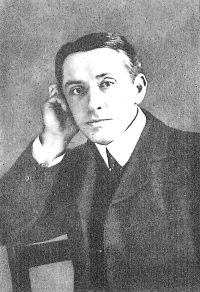
Source: Wikisource

Tracy Chatfield Becker,  Medical Jurisprudence, Forensic medicine and Toxicology…

“ A coroner’s inquest is a judicial investigation. The coroner cannot delegate his authority to any one. Neither can he appoint a deputy under the common law. He must act in person as any other judicial officer; and it may safely be said that a coroner has no power to appoint a deputy coroner, except where special provision is made therefor by statute. [516] In England, a coroner’s court is a court of record, and it has accordingly been held that trespass cannot be maintained for turning a person out of a room where the coroner is about to take an inquisition. ”
Source: Gutenberg

Anonymous,  Charles Peace, or The Adventures of a Notorious Burglar

“ But it is felt in cities and large towns that the coroner’s court is an expensive and withal fussy ante-chamber to the justice-room of the stipendiary magistrates, and that some alteration is needed in the conduct of these inquiries.
The old fashion mode—​and indeed one which was followed in the case of the Larchgrove-road murder—​of holding coroners’ courts in the parlours of public-houses, within hearing of the noise and ill-timed jollity of the tap-room, and of laying the corpse in some shed at the back yard of a beershop, among the cans and pewter pots, is very objectionable.
”
Source: Gutenberg

Get perspective with Kwize: daily news enlightened by great literature