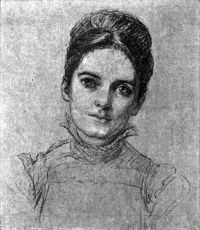
A courtesan, historically defined as a prostitute or mistress serving an upper-class clientele, occupied a complex social role bridging companionship, artistry, and moral ambiguity. From Renaissance Europe’s intellectual cortigiane oneste to Japan’s oiran entertainers, courtesans were often celebrated for their wit and refinement, yet simultaneously stigmatized. Authors like Pierre Louÿs framed them as proud professionals embracing their vocation, while Alexandre Dumas depicted societal disdain for their existence.
Petronius Arbiter contrasted them with the "dregs of cities," emphasizing their status as cultured figures in elite circles. These varied portrayals reveal a duality: courtesans as both objects of scorn and symbols of sophistication, their lives shaped by power dynamics and cultural expectations. The theme ultimately underscores how their roles reflected broader societal tensions between morality, wealth, and identity.
 Pierre Louÿs,
Ancient Manners; Also Known As Aphrodite
Pierre Louÿs,
Ancient Manners; Also Known As Aphrodite