Crown (currency)

Definition and stakes

Portrait of Benjamin Franklin Benjamin Franklin,  A Modest Enquiry into the Nature and Necessity of Paper Currency (1729)

“ And since a Plentiful Currency will be so great a Cause of advancing this Province in Trade and Riches, and increasing the Number of its People; which, tho' it will not sensibly lessen the Inhabitants of Great Britain, will occasion a much greater Vent and Demand for their Commodities here; and allowing that the Crown is the more powerful for its Subjects increasing in Wealth and Number, I cannot think it the Interest of England to oppose us in making as great a Sum of Paper Money here, as we, who are the best Judges of our own Necessities, find convenient. ”
Source: Wikisource

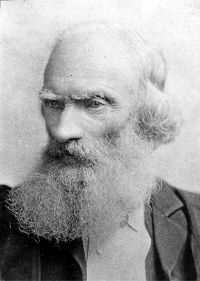
Portrait of John Ruskin John Ruskin,  The Crown of Wild Olive

“ We place gold, and all such substances, on the side of documents, as far as they operate by signature;—on the side of store as far as they operate by value. Then the currency represents the quantity of debt in the country, and the store the quantity of its possession. The ownership of all the property is divided between the holders of currency and holders of store, and whatever the claiming value of the currency is at any moment, that value is to be deducted from the riches of the store-holders. ”
Source: Gutenberg

Portrait of John Ruskin John Ruskin,  The Crown of Wild Olive

“ Imagine gold to be only attainable in masses weighing several pounds each, and its value, like that of malachite or marble, proportioned to its largeness of bulk;—it could not then get itself confused with the currency in daily use, but it might still remain as its basis; and this second inconvenience would still affect it, namely, that its significance as an expression of debt varies, as that of every other article would, with the popular estimate of its desirableness, and with the quantity offered in the market. ”
Source: Gutenberg

Get perspective with Kwize: daily news enlightened by great literature