Economic freedom refers to the ability of individuals to make independent economic choices, including ownership of property, entering into voluntary agreements, and engaging in market activities. This idea, pivotal to liberal and free-market ideologies, underscores the importance of private enterprise and limited government intervention.
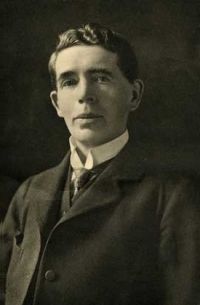
Figures such as Ronald Reagan emphasized its role as a cornerstone of prosperity, whereas George Young situated it within the framework of fairness, seeking to reconcile personal liberty with collective duty. Benjamin R. Tucker associated it with opposition to monopolies and the assertion of individual autonomy. Bringing these viewpoints together, economic freedom appears not only as a catalyst for development but also as a subject of debate, demanding a balance between self-determination and necessary oversight.
 Ronald Reagan,
Presidential Radio Address
(1987)
Ronald Reagan,
Presidential Radio Address
(1987)