Engineer (railway)

Definition and stakes

Railway Adventures and Anecdotes…

“ In referring thus to the railway works, he must refer also to the improvement of the locomotive engine. This was as remarkable as the other works were gigantic. They were, in fact, necessary to each other. The locomotive engine, independent of the railway, would be useless. They had gone on together, and they now realized all the expectations that were entertained of them. It would be unseemly, as it would be unjust, if he were to conceal the circumstances under which these works had been constructed. No engineer could succeed without having men about him as highly-gifted as himself. ”
Source: Gutenberg

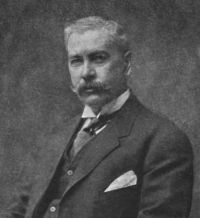
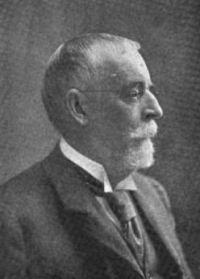
Portrait of Thomas Curtis Clarke Thomas Curtis Clarke,  The American Railway: Its Construction…

“ The locomotive engineer is the popular "hero of the rail," and the popular estimate in this respect is substantially just. Others have to brave dangers and perform duties under trying circumstances; but the engine-runner has to ride in the most dangerous part of the train, take charge of a steam-boiler that may explode and blow him to atoms, and of machinery that may break and kill him, and try to keep up a vigilance which only a being more than human could successfully maintain. ”
Source: Gutenberg

Samuel Smiles,  Lives of the Engineers

“ The first railway engineer had not only to contrive the plant, but to organise and direct the labour. The labourers themselves had to be trained to their work; and it was on the Liverpool and Manchester line that Mr. Stephenson organised the staff of that mighty band of railway navvies, whose handiworks will be the wonder and admiration of succeeding generations. Looking at their gigantic traces, the men of some future age may be found to declare of the engineer and of his workmen, that “there were giants in those days.” ”
Source: Gutenberg

Get perspective with Kwize: daily news enlightened by great literature