Featherwork

Definition and stakes

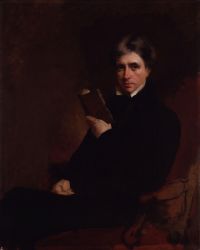
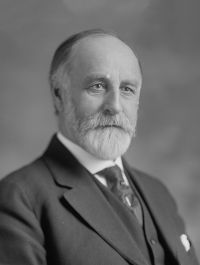
Portrait of Jesse Walter Fewkes Jesse Walter Fewkes,  The feather symbol in ancient Hopi designs (1898)

“ It is plain, I think, that having determined from an avian figure the form of the organs and appendages of the bird in their different modifications, due to conventionalism, we are able to recognize the symbolic forms adopted by ancient artists to represent the feathers of wing, tail, or body. If figures of feathers were so well drawn that we could identify them as such, we would have no difficulty in recognizing a feather when drawn on a fragment of pottery, where no other part of a bird was represented. ”
Source: Gutenberg

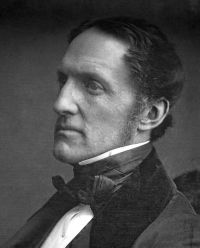
Charles Grant Blairfindie Allen,  Popular Science Monthly (1879)

“ On the other hand, the truest feathers—that is to say, those which exhibit the essential features of a feather in the most marked manner—are specially connected with the act of flight. The general surface of the body is covered with soft down, among which sprout the delicate plumes that form the common covering for warmth and protection; but only on the wings and tail do those long and stiff quills appear which, after all, are the feathers par excellence, the models and prototypes of all the rest. ”
Source: Wikisource

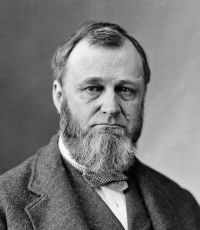
Portrait of Jesse Walter Fewkes Jesse Walter Fewkes,  Archeological Expedition to Arizona in 1895

“ From an examination of the various figures of birds on the Sikyatki pottery, and an analysis of the appendages to the wings, body, and legs, it is possible to determine the symbolic markings characteristic of two different kinds of feathers, the large wing or tail feathers and the so-called breath or body feathers. There is therefore no hesitation, when we find an object of pottery ornamented with these symbols, in interpreting them as feathers. Such a bowl is that shown in plate cxli, c, in which we find a curved line to which are appended three breast feathers. ”
Source: Gutenberg

Get perspective with Kwize: daily news enlightened by great literature