Molt

Definition and stakes

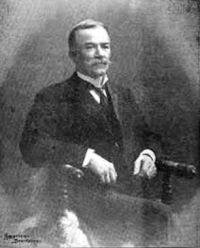
Portrait of Herbert H. Ross Herbert H. Ross,  How to Collect and Preserve Insects

“ When the insect resumes its normal activities immediately after a molt, the soft parts of the cuticle fall into a large number of pleats or folds between the hard parts. As the insect grows larger following a molt, the body can lengthen by the unfolding of these pleated areas.
The stages of the insect between molts are called instars. Among the different orders of insects the number of instars in the life history may vary, and various instars may have different forms. These characteristics of molting and instars are therefore important items in the classification of insects.
”
Source: Gutenberg

Rennie Wilbur Doane,  Insects and Diseases

“ Those species which drop to the ground to molt must again climb to some favorable point and wait for another host on which they may feed for a while. Then they drop to the ground for a second molt and if they are successful in gaining a new host for the third time they feed and develop until fully mature and the female is ready to lay her eggs. ”
Source: Gutenberg

Rollin H. Baker,  The Avifauna of Micronesia, Its Origin…

“ Molt.—The Marianas Crow molts in the period from May to August or September. Most of the birds taken by the NAMRU2 party in this period were in the process of molt. Skins obtained at Rota in late October also exhibit signs of molt. Specimens taken in December, January and February are in fresh or slightly worn plumage. The crow presents an exceedingly shabby appearance in molt, because the grayish and whitish basal parts of the feathers are exposed.
Food habits.—The crow is an omnivorous feeder. Stomachs examined contained both plant and animal food.
”
Source: Gutenberg

Get perspective with Kwize: daily news enlightened by great literature