Mould

Definition and stakes

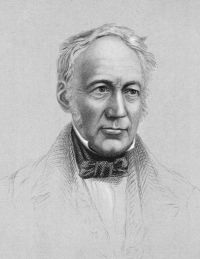
Portrait of Charles Darwin Charles Darwin,  The formation of vegetable mould… (1881)

“ But this mould lies on a mass (251⁄2 inches in thickness on the upper side) "of dark brown mould," as described by Mr. Joyce, "thickly interspersed with small pebbles and bits of tiles, which present a corroded or worn appearance." The state of this dark-coloured earth is like that of a field which has long been ploughed, for the earth thus becomes intermingled with stones and fragments of all kinds which have been much exposed to the weather. ”
Source: Wikisource

1911 Encyclopædia Britannica, Volume 18… (1911)

“ MOULD. (1) (O. Eng. molde, from a Teutonic root meaning to grind, reduce to powder, cf. “meal”) , loose fine earth, rich in organic matter, on the surface of cultivated ground, especially the made garden soil suitable for the growth of plants. In the sense of a furry growth, consisting of minute fungi found on animal or vegetable substances exposed to damp, the word may be either an extension of “mould,” earth, or an adaptation of an early “moul,” with an additional d due to “mould.” ”
Source: Wikisource

Get perspective with Kwize: daily news enlightened by great literature