The concept of a "forlorn hope" refers to soldiers assigned to extremely dangerous military tasks, such as spearheading attacks or protecting retreating units, often facing almost certain death. Historically, these troops—whether volunteers or conscripted offenders—were driven by offers of reward or the chance at redemption, as seen in sieges and battles ranging from the English Civil War to the Peninsular War.
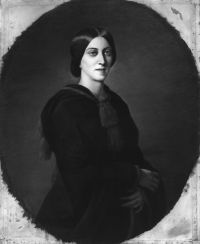
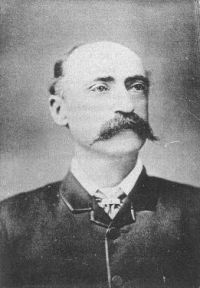
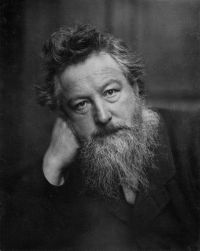
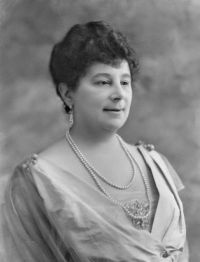
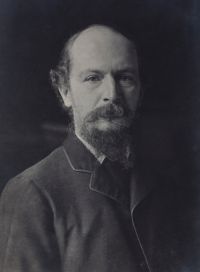
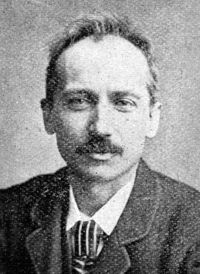
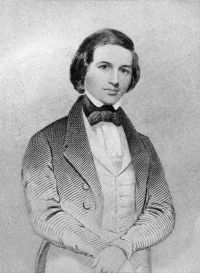
Writers such as John Galsworthy and Edgar Rice Burroughs reinterpreted the phrase metaphorically, associating it with bold sacrifice or solitary bravery, while Anna Maria Hall and Laurence Hope delved into its emotional depth in poetry, portraying it as a symbol of perseverance in the face of despair. The term’s transformation from a military tactical label to a literary symbol highlights its lasting connection with desperate yet resolute hope.
 John Galsworthy,
Complete Plays of John Galsworthy
John Galsworthy,
Complete Plays of John Galsworthy