Freedom of belief

Definition and stakes

Portrait of Robert Green Ingersoll Robert Green Ingersoll Lectures of Col. R. G. Ingersoll - Latest

Shall we rely upon superstition or upon growth? Is intellectual development the highway of progress or must we depend on the pit of credulity? Must we rely on belief or credulity, or upon manly virtues, courageous investigation, thought, and intellectual development? For thousands of years men have been talking about religious freedom. I am now contending for the freedom of religion, not religious freedom—for the freedom which is the only real religion. Only a few years ago our poor ancestors tried to account for what they saw.
Source: Gutenberg

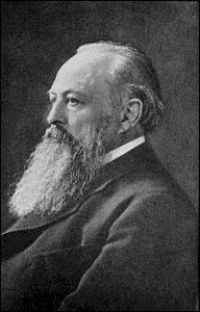
Portrait of John Stuart Mill John Stuart Mill On Liberty (1869)

In order more fully to illustrate the mischief of denying a hearing to opinions because we, in our own judgment, have condemned them, it will be desirable to fix down the discussion to a concrete case; and I choose, by preference, the cases which are least favourable to me—in which the argument against freedom of opinion, both on the score of truth and on that of utility, is considered the strongest. Let the opinions impugned be the belief in a God and in a future state, or any of the commonly received doctrines of morality.
Source: Wikisource

by Oxblood Ruffin and Eric Grimm The Hacktivismo Enhanced-Source Software License Agreement (2002 <!-- https://w3.cultdeadcow.com/cms/2002/11/hot-hacktivismo.html -->)

People have and should have the freedom of "thought, conscience, and religion." [fn7] This right "includes freedom to change religion or belief, and freedom, either alone or in community with others, in public or private, to manifest any religion or belief in teaching, practice, worship and observance, regardless of doctrine."
Source: Wikisource

Get perspective with Kwize: daily news enlightened by great literature