Fruit fly

Definition and stakes

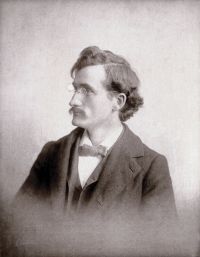
Portrait of John James Audubon John James Audubon,  Ornithological Biography (1831)

“ The dew-berries from the fields, and many kinds of fruit from the gardens, mixed with insects, supply the young as well as the parents with food. The brood is soon seen emerging from the nest, and in another fortnight, being now able to fly with vigour, and to provide for themselves, they leave the parent birds, as many other species do. ”
Source: Wikisource

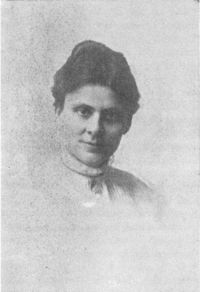
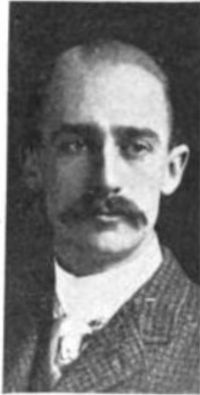
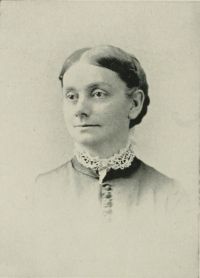
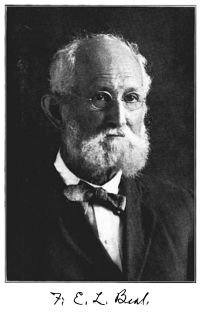
Portrait of F. E. L. Beal F. E. L. Beal,  Some Common Birds in Their Relation to Agriculture

“ One-third of the vegetable food consists of cultivated fruits, or those which may be cultivated, such as strawberries, raspberries, and blackberries; but while we debit the bird with the whole of this, it is probable—and in the eastern and well-wooded part of the country almost certain—that a large part was obtained from wild vines. The rest of the vegetable matter is mostly wild fruit, such as cherries, dogwood, sour gum, elder berries, greenbriar, spice berries, black alder, sumac, and poison ivy. ”
Source: Gutenberg

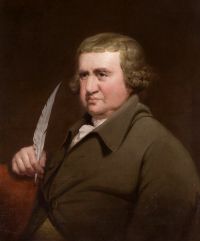
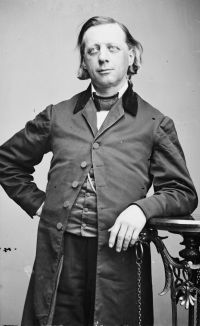
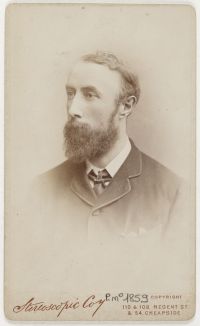
John Lubbock,  Popular Science Monthly (1881)

“ IN a very large number of cases the diffusion of seeds is effected by animals. To this class belong the fruits and berries. In them an outer fleshy portion becomes pulpy, and generally sweet, inclosing the seeds. It is remarkable that such fruits, in order, doubtless, to attract animals, are, like flowers, brightly colored—as, for instance, the cherry, currant, apple, peach, plum, strawberry, raspberry, and many others. This color, moreover, is not present in the unripe fruit, but is rapidly developed at maturity. ”
Source: Wikisource

Get perspective with Kwize: daily news enlightened by great literature