Funerary effigy

Definition and stakes

Weston Styleman Walford,  Archaeological Journal (1846)

“ But as these effigies occur where economy is not likely to have been much considered, another motive must be sought. It seems not unreasonable to surmise that they were placed, with something of conventional propriety, where a portion only of the remains was deposited, and as the full-sized coffin or grave in other cases determined the magnitude of the effigy, so the small receptacle for the heart, or some portion of the remains, led to a proportionate commemorative effigy. I have stated that the hands of the Horsted knight were brought together on the breast. ”
Source: Wikisource

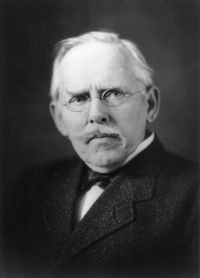
Portrait of Charles Fort Charles Fort,  The Book of the Damned

“ Their flints would survive, but, as to their fragile bodies—one might as well search for prehistoric frost-traceries. A little whirlwind—Elverean carried away a hundred yards—body never found by his companions. They'd mourn for the departed. Conventional emotion to have: they'd mourn. There'd have to be a funeral: there's no getting away from funerals. So I adopt an explanation that I take from the anthropologists: burial in effigy. Perhaps the Elvereans would not come to this earth again until many years later—another distressing occurrence—one little mausoleum for all burials in effigy. ”
Source: Gutenberg

Get perspective with Kwize: daily news enlightened by great literature