Geophysics

Definition and stakes

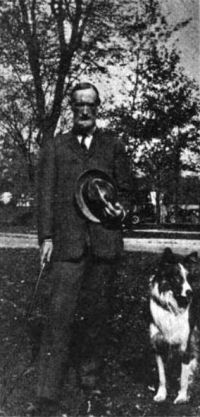
Portrait of James McBride James McBride,  Symmes's Theory of Concentric Spheres

“ Substances of the greatest specific gravity are susceptible of the greatest projectile force; and hence we find that mountains are composed of heavy masses of rock, mineral substances, and heavy earths; hills, or the next highest eminences, of earth of the next specific gravity; and plains, or level lands, of lighter substances. Had the earth originally been composed of one uniform substance, sand, for example, of equal fineness and weight, the whole surface of the globe would have presented one uniform level or unbroken plain. ”
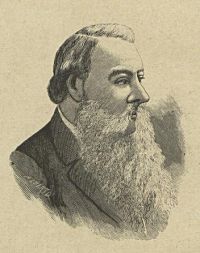
Source: Gutenberg

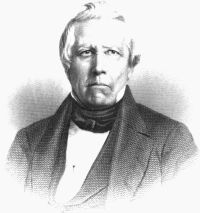
Portrait of Richard Henry Major Richard Henry Major,  Early Voyages to Terra Australis…

“ For as the quiet and equilibrium of the parts of the earth and water with respect to the centre of gravity consist in the equal tendencies of the opposite parts towards the same centre, it follows that the sinuses or receptacles of water in the one half are nearly proportioned in their position and other respects to those of the other. From all which it follows, that in the southern hemisphere there is an uncovered surface of land correspondent, or nearly so, to that which has been discovered in the northern hemisphere. ”
Source: Wikisource

by the United States government,  Chapters (2002)

“ The equipotential surface in the gravity field of the earth; the surface to which the oceans would conform over the entire earth if free to adjust to the combined effect of the earth's mass attraction and the centrifugal force of the earth's rotation. As a result of the uneven distribution of the earth's mass, the geoidal surface is irregular. The geoid is a surface along which the gravity potential is everywhere equal (equipotential surface) and to which the direction of gravity is always perpendicular. ”
Source: Wikisource

Get perspective with Kwize: daily news enlightened by great literature