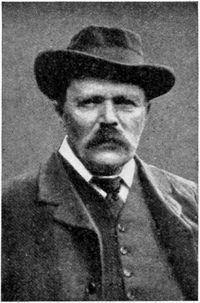
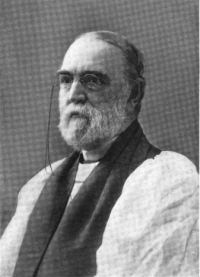
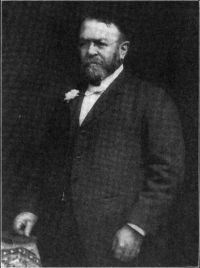
Seismology, derived from the Greek words for "earthquake" and "study," is the scientific investigation of seismic waves and their movement through Earth, shedding light on its structure and dynamics. From ancient observations to contemporary instrumental analysis, figures such as Robert Mallet and John Milne played key roles in its evolution, connecting earthquakes to tectonic forces and the planet's interior.
Luigi Palmieri linked seismic events to volcanic areas, while Milne highlighted its importance across disciplines such as engineering and geology. By combining historical records with technological progress, seismology connects geophysics, meteorology, and tectonics, providing insight into Earth’s concealed processes.
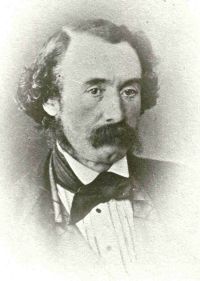 Robert Mallet,
Great Neapolitan Earthquake of 1857
(1862)
Robert Mallet,
Great Neapolitan Earthquake of 1857
(1862)