Glacial erosion

Definition and stakes

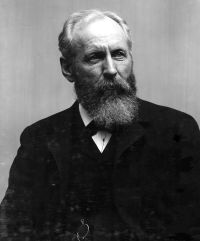
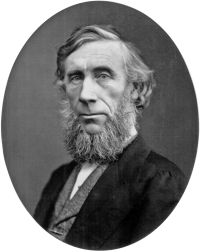
Portrait of James Geikie James Geikie,  Smithsonian Report/1898 (1899)

“ The enormous morainic accumulations formed underneath and in front of the alpine glaciers, and over the vast areas traversed by the Scandinavian mer de glace, bear emphatic testimony to the intensity of glacial erosion. In like manner the great terraces of gravel that stretch down the valleys in front of the alpine moraines and the broad sheets of similar deposits which extend outward from the glaciated tracts of northern Europe, are equally impressive witnesses to the vigor of the flooded glacial rivers. ”
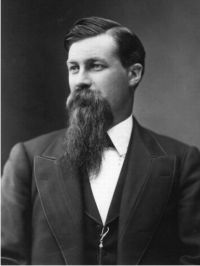
Source: Wikisource

Portrait of James Geikie James Geikie,  Fragments of Earth Lore: Sketches & Addresses Geological and Geographical

“ Professor Heim and others have frequently asserted that glaciers have little or no eroding power, since at the lower ends of existing glaciers we find no evidence of such erosion being in operation. But the chief work of a glacier cannot be carried on at its lower end, where motion is reduced to a minimum, and where the ice is perforated by sub-glacial tunnels and arches, underneath which no glacial erosion can possibly take place ”
Source: Gutenberg

William J. Miller,  Geology: The Science of the Earth's Crust

“ A type of glacial erosion which is of special interest is the sculpturing of so-called “cirques” or “amphitheaters” in mountains within the region of perpetual snow. Where the main mass of snow and ice in the catchment basin or gathering ground of a valley glacier pulls away from the snow and névé on the upper slopes, the rock wall is more or less exposed in the deep crevasse. During warm days water fills the joint cracks in the rocks down in this crevasse (so-called “Bergschrund”) , and during cold nights the water freezes and forces the blocks of rock apart. ”
Source: Gutenberg

Get perspective with Kwize: daily news enlightened by great literature