Detritus

Definition and stakes

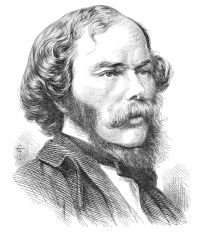
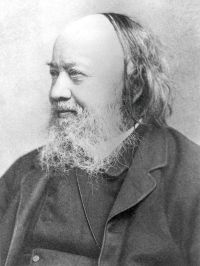
Portrait of Charles Darwin Charles Darwin,  Coral Reefs; Volcanic Islands; South American Geology…

“ At great heights up the valleys the pebbles become less rounded; and as the terraces become obliterated, the whole mass passes into the nature of ordinary detritus. I was repeatedly struck with the great difference between this detritus high up the valleys, and the gravel of the terraces low down, namely, in the greater number of the quite angular fragments in the detritus,—in the unequal degree to which the other fragments have been rounded,—in the quantity of associated earth,—in the absence of stratification,—and in the irregularity of the upper surfaces. ”
Source: Gutenberg

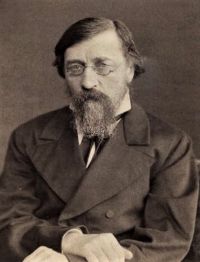
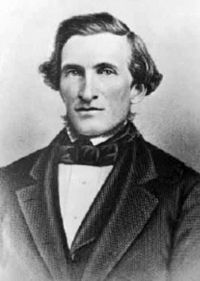
Portrait of Max Joseph von Pettenkofer Max Joseph von Pettenkofer,  Popular Science Monthly (1882)

“ We may consider all putrefaction and decay of suitable substances, the refuse of our households, the waste water with which we irrigate and manure the soil, as affording food-fluids for the lower organisms. Then we might think—and the like has been thought and said—that dirt is not dangerous to health if it is only properly concentrated. It has been asserted that there is much more dirt in the country and in the villages where citizens go—as they say—to get the air, than in the city. ”
Source: Wikisource

H. W. Gibson,  Camping For Boys

“ The word dirt in its strict sense comes from the Anglo-Saxon 'drit,' or excrement. 'Dirt,' then, is not earth or clean sand—not clean dirt, but dirty dirt, that is, matter soiled by some of the excreta of the human or animal body. Cleanliness must be insisted upon in a boys' Camp—not the cleanliness that makes a boy squeamish about working with his hands upon some necessary job, but cleanliness that makes him afraid of sharing his tooth brush or table utensils or his clothes. ”
Source: Gutenberg

Get perspective with Kwize: daily news enlightened by great literature