Hand mill

Definition and stakes

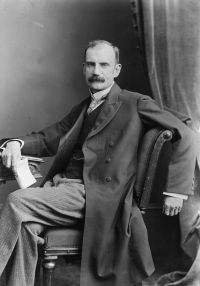
Portrait of William Pember Reeves William Pember Reeves,  New Zealand

“ Just as a burning forest is a magnificent scene with a dismal sequel, so the saw-miller’s industry, though it finds a paradise and leaves a rubbish-yard, is, while it goes on, a picturesque business. Like many forms of destruction, it lends itself to the exertion of boldness, strength, and skill. The mill itself is probably too primitive to be exactly ugly, and the complicated machinery is interesting when in action, albeit its noises, which at a distance blend into a humming vibration, rise near at hand to tearing and rending, clattering and howling. ”
Source: Gutenberg

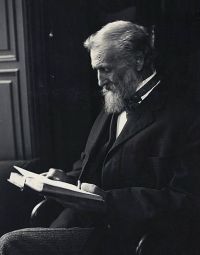
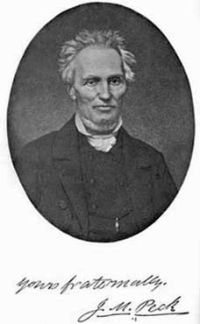
Portrait of John Mason Peck John Mason Peck,  A New Guide for Emigrants to the West

“ The hand mill is in the same form as that used in Judea in the time of our Savior. Two circular stones, about 18 inches in diameter constructed like ordinary mill stones, with a staff let into the runner or upper stone near its outer edge, with the upper end inserted in a joist or board over head, and turned by the hands of two persons while one feeds it with corn. Horse mills follow the mortar and hand mill in the scale of improvement. They are constructed variously. A hand mill is the most simple. ”
Source: Gutenberg

S. A. Reilly,  Our Legal Heritage: The First Thousand Years…

“ Hand mills and/or water mills were used for grinding grain. On this land lived not only farm laborers, cattle herders, shepherds, goatherds, and pigherds, but craftsmen such as goldsmiths, hawk-keepers, dog-keepers, horse- keepers, huntsmen, foresters, builders, weaponsmiths, embroiderers, bronze smiths, blacksmiths, water mill wrights, wheelwrights, waggon wrights, iron nail makers, potters, soap-makers, tailors, shoemakers, salters (made salt at the "wyches") , bakers, cooks, and gardeners. Most men did carpentry work. ”
Source: Gutenberg

Get perspective with Kwize: daily news enlightened by great literature