A "high place" denotes an elevated site historically revered for worship, believed to bridge the earthly and divine realms. Ancient Near Eastern cultures, including Israelite traditions, used hilltops for religious rituals, featuring altars, standing stones, and sacred groves. This concept evolved over time, influencing both Jewish and Christian practices, such as the synagogue’s bimah or the Orthodox High Place as a symbolic center of spiritual authority.
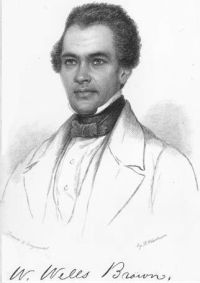
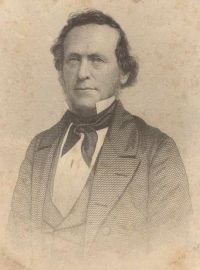
Authors like Thomas Moore and George Adam Smith evoked its dual resonance—physical elevation and moral or spiritual ascent—while others, such as William Wells Brown, emphasized its serene isolation. The theme thus weaves together archaeological, theological, and literary dimensions, reflecting humanity’s enduring quest to connect with the transcendent through elevated spaces.
 Thomas Moore,
The Complete Poems of Sir Thomas Moore
Thomas Moore,
The Complete Poems of Sir Thomas Moore