Hoofbeat

Definition and stakes

H. Caulton Reeks,  Diseases of the Horse's Foot

“ If lameness is met with at all, then it is where we have a foot that is in other respects unsound, with badly contracted heels and upright 'stumpy' hoof, or where side-bones have occurred in a young animal, and have already reached a large size before the horse is put to labour. In this latter case, the added effects of concussion and the evil influences of shoeing are sufficient to turn the scale. Directly the animal, previously sound, is asked to work, lameness is the result. ”
Source: Gutenberg

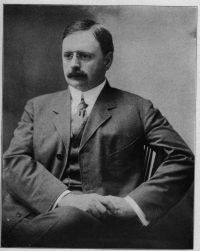
Portrait of John E. Russell John E. Russell,  Rational Horse-Shoeing

“ In a short time the hoof, unbraced by the sole and bars, begins to contract, the action of the frog upon the ground, which in the natural foot is threefold—acting as a cushion to receive the force of the blow and thus relieve the nerves and joints of the leg from concussion, opening and expanding the hoof by its upward pressure, quickening the circulation and thereby stimulating the natural secretions,—this all important part of the organization, without which there is no foot and no horse, becomes hard, dry, and useless. ”
Source: Gutenberg

W. H. Harbaugh,  Special Report on Diseases of the Horse

“ The openings between the chambers of each side and into the aorta are guarded by valves.
If the horse is not too fat, one may feel the impact of the apex of the heart against the chest wall with each contraction of the heart by placing the hand on the left side back of the fifth rib and above the point of the elbow. The thinner and the better bred the horse is the more distinctly this impact is felt. If the animal is excited, or if he [Pg 15] has just been exercised, the impact is stronger than when the horse is at rest. If the horse is weak, the impact is reduced in force.
”
Source: Gutenberg

Get perspective with Kwize: daily news enlightened by great literature