Houris

Definition and stakes

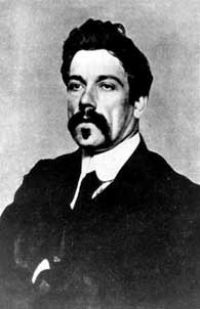
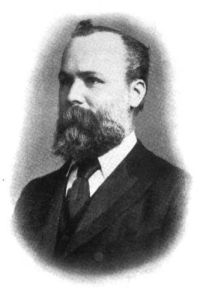
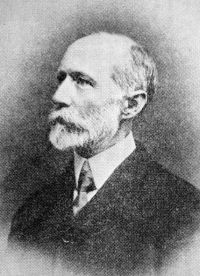
Portrait of George Augustus Sala George Augustus Sala,  Twice round the clock; or, The hours of the day and night in London (1862)

“ Eleven o’clock at night is the great supper-time of the working classes; then, by the steady and industrious mechanic, the final calumet is smoked, the borrowed newspaper read, the topics of the day, the prospects of the coming week, discussed with the cheery and hard-working helpmate who sits by the side of her horny-handed lord, fills his pipe, pours out his beer, and darns the little children’s hose. ”
Source: Gutenberg

G. Hastie,  Folk-Lore (1893)

“ The eyes of the immense crowd are ever being turned towards the lighted clock-face of the "Auld and Faithfu" Tron, the hour approaches, the hands seem to stand still, but in one second more the hurrahing, the cheering, the hand-shaking, the health-drinking, the swaying to and fro of the immense throng, is all kept up as long as the clock continues to ring out the much-longed-for midnight hour. ”
Source: Wikisource

Portrait of George Augustus Sala George Augustus Sala,  Twice round the clock; or, The hours of the day and night in London (1862)

“ But why, the inquisitive may ask—the child-man who is for ever cutting up the bellows to discover the reservoir of the wind—why four o’clock a.m.? Why not begin our pilgrimage at one a.m., and finish the first half at midnight, in the orthodox get-up-and-go-to-bed manner? [11] Simply because four a.m. is in reality the first hour of the working London day. The giant is wide awake at midnight; he sinks into a fitful slumber about two in the morning: short is his rest, for at four he is up again and at work, the busiest bee in the world’s hive. ”
Source: Gutenberg

Get perspective with Kwize: daily news enlightened by great literature