Insurance company

Definition and stakes

Samuel Nelson,  Union Insurance Company v. Hoge…

“ The theory of a mutual insurance company is, that the premiums paid by each member for the insurance of his property constitute a common fund, devoted to the payment of any losses that may occur. Now, the cash premium may as well represent the insured in the common fund as the premium note; and this class of companies has been so long engaged in the business of insurance, it may well be that they can determine, with sufficient certainty for all practical purposes, the just difference in the rates of premium between cash and notes. ”
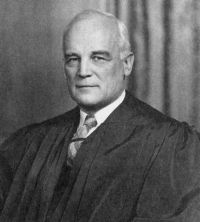
Source: Wikisource

Byron White,  United States v. Atlas Life Insurance Company…

“ An insurance company obtains most of its funds from premiums paid to it by policyholders in exchange for the company's promise to pay future death claims and other benefits. The company is also obligated to maintain reserves, which, if they are to be adequate to pay future claims, must grow at a sufficient rate each year. The receipt of premiums necessarily entails the creation of reserves and additions to reserves from investment income. Thus the insurance company is not only permitted to invest, but it must invest; and it must return to the reserve a large portion of its investment income. ”
Source: Wikisource

Get perspective with Kwize: daily news enlightened by great literature