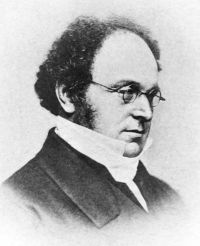
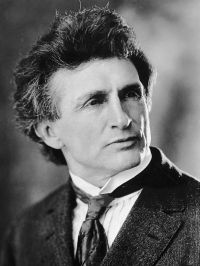
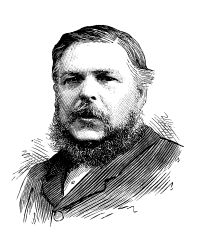
Life expectancy, a statistical measure of the average number of years a person may live based on factors such as health and environment, has been a central topic in demographic and public health discussions. Authors such as Ronald Reagan highlighted its increase as a sign of improved quality of life, pointing to record levels in the U.S., while G. Stanley Hall examined historical patterns of mortality, showing how life expectancy at birth reflects societal development.
The Central Intelligence Agency emphasized its function as a gauge of overall well-being, connecting it to economic and health policies. Meanwhile, Rasmus Larssen Alsaker focused on preventive living to address degenerative diseases, demonstrating how personal behaviors interact with larger demographic data. These diverse viewpoints together show that life expectancy is not simply a numerical average but an indicator of societal conditions, influenced by medical progress, public health efforts, and lifestyle decisions.
 Ronald Reagan,
Presidential Radio Address
(1983)
Ronald Reagan,
Presidential Radio Address
(1983)