Maxim (ethics)

Definition and stakes

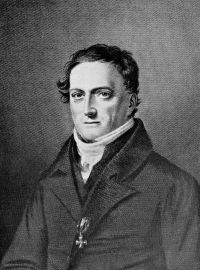
Portrait of Immanuel Kant Immanuel Kant,  The Metaphysical Elements of Ethics

“ Accordingly, this duty to estimate the worth of one's actions not merely by their legality, but also by their morality (mental disposition) , is only of indeterminate obligation; the law does not command this internal action in the human mind itself, but only the maxim of the action, namely, that we should strive with all our power that for all dutiful actions the thought of duty should be of itself an adequate spring. ”
Source: Gutenberg

George Henry Lane Fox Pitt-Rivers,  Conscience & Fanaticism: An Essay on Moral Values

“ The imposition of some recognized rules of conduct, safeguarding the security of life and property, is as necessary to the community as the existence of a coinage for the negotiation of commercial bargains; in fact it is more so. The two are analogous: the moral code must give effect to that first and universal principle of ethics expressed thus, "Do unto others as you would they should do unto you," which is only another way of saying, "You may expect others to treat you as you intend to treat them in similar circumstances." ”
Source: Gutenberg

Get perspective with Kwize: daily news enlightened by great literature