Mayfly

Definition and stakes

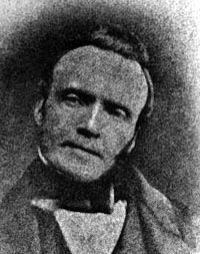
Portrait of John Galsworthy John Galsworthy,  Complete Project Gutenberg John Galsworthy Works

“ Pheasants in the tall trees of the Pangbourne woods, larks on their grassy nests above the gravel-pit at Wansdon, swallows in the eaves at Robin Hill, and the sparrows of Mayfair, all made a dreamless night of it, soothed by the lack of wind. The Mayfly filly, hardly accustomed to her new quarters, scraped at her straw a little; and the few night-flitting things—bats, moths, owls—were vigorous in the warm darkness; but the peace of night lay in the brain of all day-time Nature, colourless and still. ”

Source: Gutenberg

Laurence B. White,  Life in the Shifting Dunes

“ These insects have long, soft bodies and two long “tails.” The first stage in the Mayfly’s life is spent under water in one of the several swampy pools behind the main beach. Early in the spring it changes into the winged adult that is unable to eat. This adult lays its eggs and dies soon afterwards. ”
Source: Gutenberg

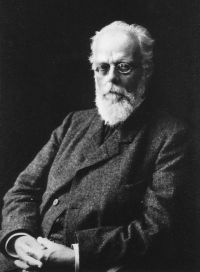
Portrait of Herbert H. Ross Herbert H. Ross,  How to Collect and Preserve Insects

“ The adult flies have very long front legs, short antennae, practically no mouthparts, usually two pairs of wings, and two or three long tails. When a mayfly is at rest, the wings are held together above the body. Hexagenia limbata (Serville) , figs. 26 and 27, is one of the very common Illinois mayflies and is an important factor in the food economy of many fish.
Mayflies, formerly called Plectoptera, together with stoneflies, caddisflies, and midges, constitute a very large portion of the life of our lakes and streams; all four groups are important as fish food.
”
Source: Gutenberg

Get perspective with Kwize: daily news enlightened by great literature