The meadowlark, a bird renowned for its melodious song and ecological significance, has inspired a wide range of literary reflections on nature, survival, and human interaction with the environment. From Rowland Evans Robinson’s vivid depiction of its bold calls in New England pastures to B. M. Bower’s portrayal of its symbolic presence in frontier stories, the meadowlark represents both the vulnerability and endurance of grassland ecosystems.
Writers such as Elliott Coues and John Hooper Bowles highlight its value in pest control, while others, like Alice Eliza Ball, describe its feeding habits and nesting behaviors, emphasizing its dual role as a farmer’s asset and a subject of natural interest. These differing viewpoints collectively position the meadowlark as a central figure in both ecological and literary contexts.
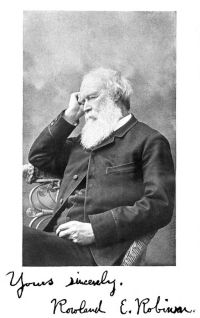 Rowland Evans Robinson,
In New England Fields and Woods
Rowland Evans Robinson,
In New England Fields and Woods