Merchant bank

Definition and stakes

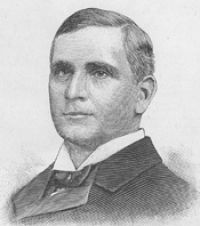
Portrait of Charles N. Fowler Charles N. Fowler,  Seventeen Talks on the Banking Question

“ Why should not a bank act just like any other merchant or trader, and adjust its stock of goods to the ever-changing conditions of its business? Of course I am fully aware that there is one element entering into a bank's business that is not common to other mercantile houses, and that is the question of its credit. It must keep itself in such a position at all times as to preclude the chance of suspicion arising about its ability to meet its demand obligations. ”
Source: Gutenberg

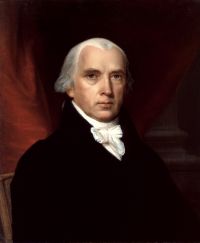
Portrait of Arthur Latham Perry Arthur Latham Perry,  Principles of Political Economy

“ It is at bottom a mutual buying and selling of debts. There is of course a daily balance on one side or the other between every two of these banks, which must be settled in money, because it would never happen in practice that each should owe the other precisely the same sum on any one day; but substantially and almost exclusively the exchange at the Clearing-House is a simple trade in credit-claims. Each bank pays its debts by credits. A merchant is a dealer in commodities, a laborer is a dealer in services, and a banker is a dealer in credits. ”
Source: Gutenberg

Chester Arthur Phillips,  Readings in Money and Banking

“ If a country merchant accumulates more currency than he desires to keep on hand, he deposits it, together with his checks and drafts, in the local branch of his bank. This branch immediately sorts out the notes of other banks and treats them as it does checks and drafts upon other banks, either sending them to the nearest redemption agency or using them as an offset in the local clearing house if the issuing banks have branches in the locality. The branches of a bank are not obliged to redeem the notes of the parent bank, but must accept them at par in the payment of all dues. ”
Source: Gutenberg

Get perspective with Kwize: daily news enlightened by great literature