Merchant company

Definition and stakes

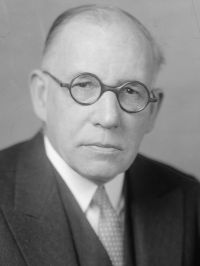
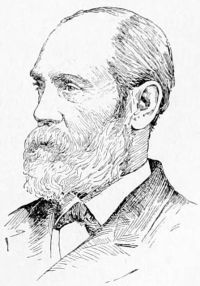
S. A. Reilly,  Our Legal Heritage: King AEthelbert - King George III, 600 A.D. - 1776

“ Each merchant could ship on his own a certain number of cloths each year, the number depending on the length of his membership in the company. He could sell them himself or by his factor at the place where the company had privileges of market. Strict rules governed the conduct of each member. He was to make sales only at certain hours on specified days. All disagreements were to be settled by the company's governor, or his deputy in residence, and those officials dealt with such disputes as arose between members of the company and continental officials and buyers. ”

Source: Gutenberg

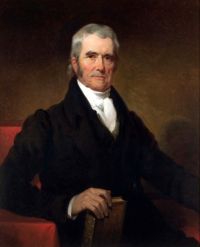
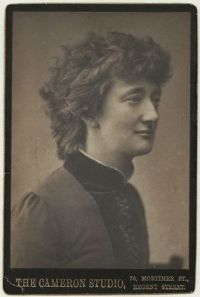
Portrait of Charles A. Beard Charles A. Beard,  History of the United States

“ The Trading Company.—English pioneers in exploration found an instrument for colonization in companies of merchant adventurers, which had long been employed in carrying on commerce with foreign countries. Such a corporation was composed of many persons of different ranks of society—noblemen, merchants, and gentlemen—who banded together for a particular undertaking, each contributing a sum of money and sharing in the profits of the venture. ”
Source: Gutenberg

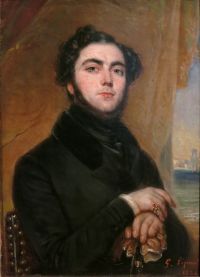
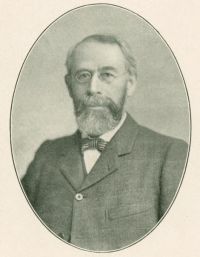
Portrait of Carlton J. H. Hayes Carlton J. H. Hayes,  A Political and Social History of Modern Europe V.1

“ Subject to these rules, each merchant traded as he pleased, and there was no pooling of profits. The regulated company, the first form of the commercial company, was encouraged by the king. He could charter such a company, grant it a monopoly over a certain district, and trust it to develop the trade as no individual could, and there was no evasion of taxes as by independent merchants. ”
Source: Gutenberg

Get perspective with Kwize: daily news enlightened by great literature