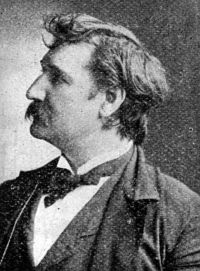
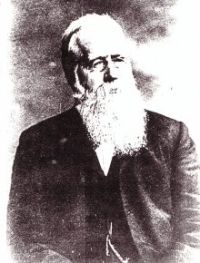
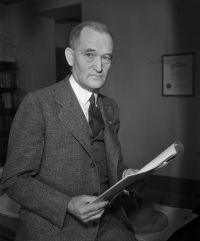
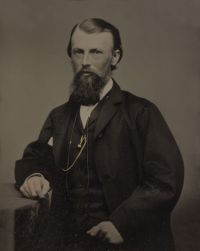
The concept of "Dunning" delves into the philosophical and societal consequences of ignorance, understanding, and their interaction. Scholars like John Foster and Elizabeth Sanderson Haldane view ignorance as an obstacle to ethical and cognitive advancement, whereas Hilaire Belloc paradoxically promotes "Beautiful Knowledge," implying that genuine insight might reside in recognizing one's constraints.
Paul Trent's claim that "knowledge can do no good" stands in contrast to John Stuart Mill's focus on enlightenment, illustrating differing perspectives on the value or danger of ignorance. This theme highlights the conflict between the quest for truth and the acceptance of human imperfection, demonstrating how unawareness influences both personal and communal comprehension.