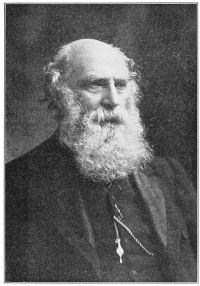
J. A. Gillet, The Heavens Above: A Popular Handbook of Astronomy
“ Origin of the Light of Meteors.—When one of these meteoroids enters our atmosphere, the resistance of the air arrests its motion to some extent, and so converts a portion of its energy of motion into that of heat. The heat thus developed is sufficient to raise the meteoroid and the air around it to incandescence, and in most cases either to cause the meteoroid to burn up, or to dissipate it as vapor. The luminous vapor thus formed constitutes the luminous train which occasionally accompanies a meteor, and often disappears as a puff of smoke. ”