Mining tailings

Definition and stakes

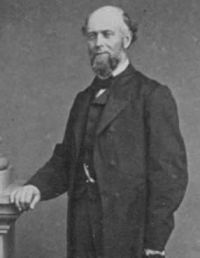
Portrait of Albert Frederick Calvert Albert Frederick Calvert,  Nigeria and its tin fields (1910)

“ In any case where tailings or any other products whatever from the operations of mining or metallurgy are being discharged, or about to be discharged, in such a manner as to hinder or injuriously affect any other person in the execution of his legal mining rights, or the future development of mining, it shall be lawful for the Government Inspector of Mines to order the disposal of such products or tailings in some other manner not detrimental to present or future mining. ”

Source: Gutenberg

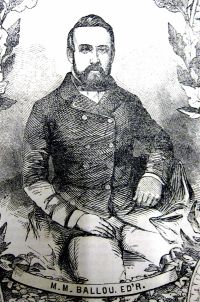
Portrait of Georgius Agricola Georgius Agricola,  De re metallica — Book II (1912)

“ The miner should never excavate the low-lying plain, nor one which is perfectly level, unless it be in some mountain, and rarely should he mine in the other kinds of plains.
With regard to the conditions of the locality the miner should not contemplate mining without considering whether the place be covered with trees or is bare. If it be a wooded place, he who digs there has this advantage, besides others, that there will be an abundant supply of wood for his underground timbering, his machinery, buildings, smelting, and other necessities.
”
Source: Wikisource

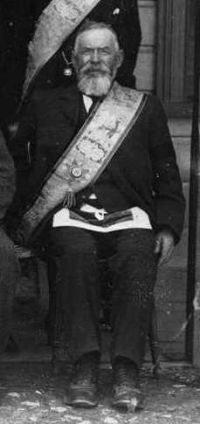
Edward Bowdoin Nealley,  The Atlantic Monthly (1866)

“ Upon the bed-rock is a deposit, from three to four feet in depth, of gravel and boulders, in which the gold is hidden. This is called by the miners "pay-dirt," and to remove it to the surface and wash it is the end of mining. It is an expensive and laborious process indeed. The water has first to be controlled; and in mines of not too great depth this is done by a drain ditch along the bed-rock, commenced many claims below. In this all the claim-holders are interested, and all contribute their quota of the labor and expense of digging it. ”
Source: Wikisource

Get perspective with Kwize: daily news enlightened by great literature