Money bill

Definition and stakes

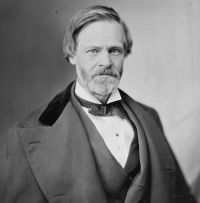
Portrait of John Stuart Mill John Stuart Mill,  Principles of Political Economy (1871)

“ A bill of exchange, when merely discounted, and kept in the portfolio of the discounter until it falls due, does not perform the functions or supply the place of money, but is itself bought and sold for money. It is no more currency than the public funds, or any other securities. But when a bill drawn upon one person is paid to another (or even to the same person) in discharge of a debt or a pecuniary claim, it does something for which, if the bill did not exist, money would be required: it performs the functions of currency. ”
Source: Wikisource

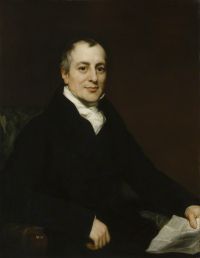
Portrait of Honoré de Balzac Honoré de Balzac,  Lost Illusions (1843)

“ Everybody who has discounted a bill knows that he has to pay more than the six per cent fixed by law; for a small percentage appears under the humble title of "charges," representing a premium on the financial genius and skill with which the capitalist puts his money out to interest. The more money he makes out of you, the more he asks. Wherefore it would be undoubtedly cheaper to discount a bill with a fool, if fools there be in the profession of bill-discounting.
The law requires the banker to obtain a stock-broker's certificate for the rate of exchange.
”
Source: Gutenberg

Get perspective with Kwize: daily news enlightened by great literature